

 Discovering What We’d Been Missing
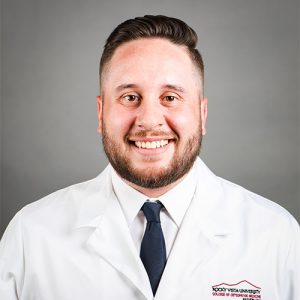
By Jaxon Savage, OMS-IV, Rocky Vista University, FUTURE Alternate Delegate
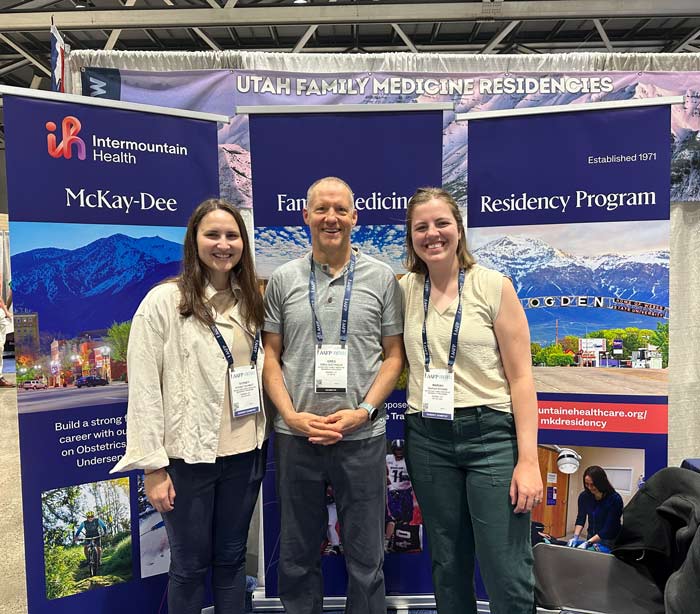
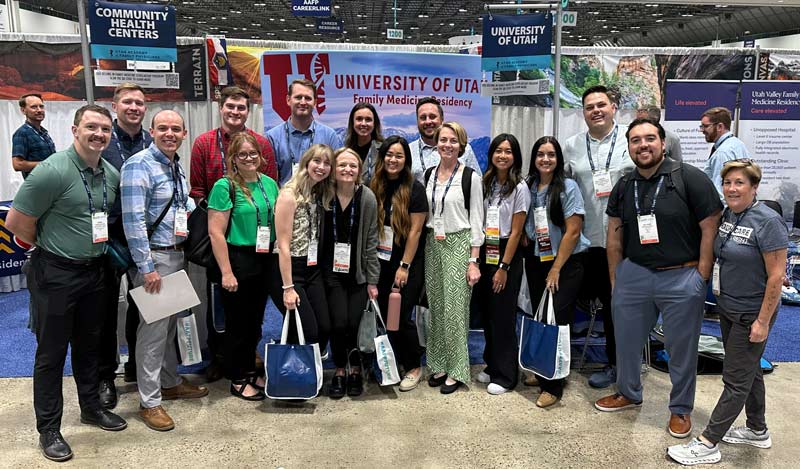
Attending this conference for the first time made me realize how much I had missed by not going in previous years. For any medical student interested in family medicine, it truly is one of the most valuable experiences available. From lectures on the specialty and residency application process to an expo hall filled with residency programs, the opportunities are unparalleled. The environment allows you to connect with current residents and program directors in a relaxed, conversational way, making it easy to ask questions and gain insight into their programs. The connections made here can shape not only your understanding of family medicine but also your future in the field.
 A Voice in the Profession’s Future
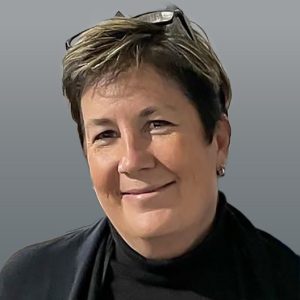
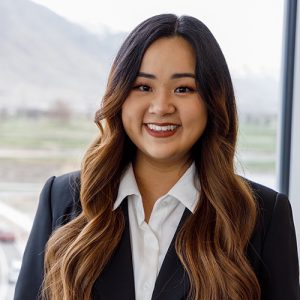
By Serin Baker, OMS-III, Noorda College of Osteopathic Medicine, FUTURE Student Delegate
Attending the FUTURE Conference as a medical student and serving as a student delegate was an inspiring experience. I had the opportunity to participate in the Student Delegate Congress and vote on student-written resolutions intended to advance the family medicine profession, such as furthering behavioral health integration in medical school and residency training, improving clerkship curriculum standards surrounding reproductive care and potential topics for CME. I was also able to engage with program directors and residents who were genuinely excited about family medicine and created a welcoming space for students who share that passion.
One of the highlights was hearing directly from residents about their specific experiences during residency, including their first delivery as interns, interactions with co-residents and hobbies they enjoy outside of residency. Conversations at the conference reminded me of the vast range of settings, patient populations and specialized tracks available within family medicine, reaffirming my commitment to pursuing a career that is community-driven, adaptable and grounded in continuity of care. I highly encourage any students interested in family medicine to attend this conference.
 Crafting a Life I Love in Family Medicine
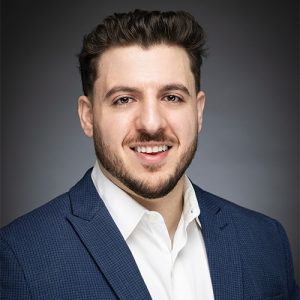
By Shahem Attallah, OMS-III, MBA, Noorda College of Osteopathic Medicine
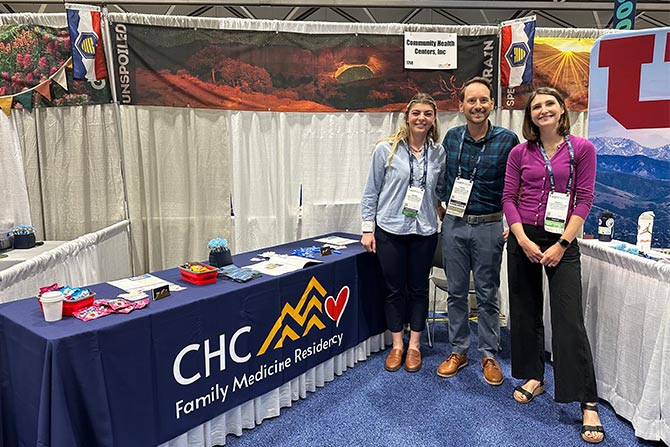
I came to FUTURE to decide, not to be dazzled. Programs are not only choosing me; I am choosing them, and I wanted a clear sense of which residencies match my style, my goals and the physician I am becoming. Walking into a hall with roughly 70% of programs felt like opening a living catalog of how family medicine can be trained and practiced differently. Arriving as a third-year osteopathic student turned out to be an advantage because curiosity outpaced anxiety. Exposure beat assumption every time I asked a real question and listened to how people talked about their work.
Very quickly, I built a filter I could carry from booth to booth: Will this place grow my courage, my craft and my capacity to serve, or will it only fill my calendar? That single question changed the conversations I was having. I asked about a typical Tuesday, rather than the glossy highlight reel, and paid attention to how people described the parts of training that never make it into a brochure. “Knowing who you are is the first step to finding where you belong” became a refrain I wrote at the top of my notes, a reminder to match culture with mission, not marketing with hopes.
The most useful intel arrived in elevators, coffee lines and lobbies. Staying in the conference hotel meant I kept bumping into program directors and residents, which led to unscripted five-minute chats about night float, precepting rooms and how feedback actually happens. Those moments were disarming in the best way and felt more honest than any slide deck. Serendipity pays compound interest when you are prepared, and I arrived ready with questions that cut to fit: Who coaches residents here, not just supervises them? How is protected time used for reflection and growth? Where do graduates land, and how much of what you train do they truly use?
Range clarified what I want. Some programs leaned into robust obstetrics, procedures and point-of-care ultrasound, while others focused on addiction medicine, refugee health, geriatrics, tribal and frontier care or LGBTQ+ health. The variety did not scatter me; it sharpened my outline. I realized I am energized by clinics that utilize time as a form of treatment and teams that treat learning as real work. “Become so skilled, so flat out fantastic, that your talent cannot be dismissed” is a sentence I am taking seriously, which means doubling down on sleep, movement, mentorship and Spanish so I can serve more patients effectively.
I also kept a few lines that feel like anchors for the years ahead. “Family medicine is the pluripotent stem cell of medicine” captured what I sensed on the floor; our training allows us to differentiate into what communities need, then re-differentiate as those needs change. “There are only 24 hours in a day” sounded simple at first, yet it keeps pointing me back to boundaries that protect attention, presence and joy. My mission is to help patients reach their highest potential medically, mentally, emotionally and generationally, and the only way to live that mission is to train where time, teams and teaching are designed to make it possible.
Not every program felt right, and that contrast was valuable. Some spaces felt like instant oxygen, while others felt like heroics with a smile. Saying out loud what I need drew the right mentors and gently repelled the wrong fit. I arrived wondering if it was too early to attend as an OMS-III and left convinced I was right on time, because seeing so many programs in one place did not make my decision easy; it made my decision informed.
This was not just a recruiting fair; it was a rehearsal for the career I want. The AAFP FUTURE conference floor taught me range, the sessions taught me design and the hallway conversations taught me culture. I am leaving with a compass instead of a script, and that is enough to choose with conviction. Next comes the work of excellence, curiosity and service, one ordinary Tuesday at a time.
Looking Ahead
Across sessions, expo halls and chance encounters, Utah’s medical students found more than career guidance; they found clarity, community and confidence in the path ahead. FUTURE offered a living portrait of what family medicine is and what it can become.
The next generation of family doctors is ready, curious, grounded and determined to build their future one ordinary Tuesday at a time.